Islington council rubbish disposal rules and fines explained
Posted on 31/07/2026
If you live, work, rent, or manage property in Islington, rubbish rules are not something to leave until the bins are overflowing on a Monday morning. The short version is this: Islington council rubbish disposal rules and fines explained is really about knowing what goes out, when it goes out, and how to avoid the small mistakes that can turn into fixed penalties, complaints, or messy street scenes outside your door.
In practice, most problems are preventable. A bag left beside a full bin, a sofa dumped near a tree, builders' waste mixed into household rubbish, or a recycling box filled with the wrong materials can all create trouble. This guide breaks down what the rules mean, where fines tend to come from, and how to handle rubbish the right way without overthinking it.
And yes, it is a bit more detailed than "put it out and hope for the best." But that detail matters. Especially in a busy borough where pavements are narrow, collections are scheduled tightly, and neighbours notice everything.
Why Islington council rubbish disposal rules and fines explained Matters
Rubbish disposal rules are about more than tidy streets, although that is part of it. They protect shared spaces, stop pests, reduce fly-tipping, and make collections possible in a borough where bins, alleyways, and parked cars can make access awkward. If waste is left in the wrong place or presented badly, the result can be a complaint, a refused collection, or a penalty notice.
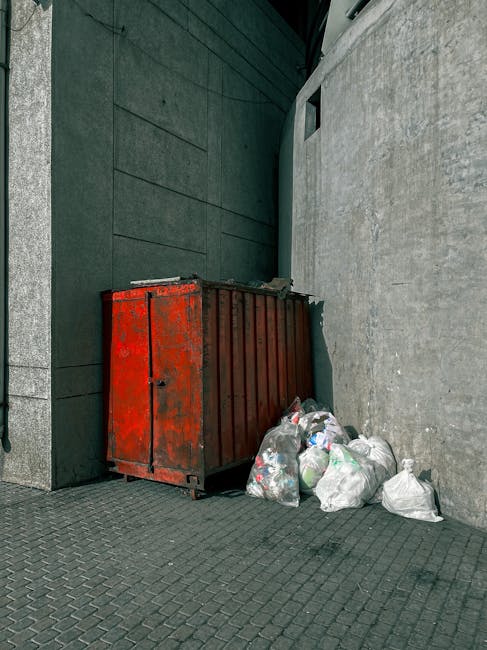
For residents, the biggest risk is often not dramatic. It is small. One extra black sack beside the bin. A mattress leaning against a wall. A furniture item left out because the lift broke and you were hoping it would "be fine for tonight." We have all seen that sort of thing, usually just before rain starts and the bag splits open. Not ideal.
For landlords, letting agents, and local businesses, the stakes are a bit higher because rubbish issues can affect reputation, tenant relations, and building management. A clean, compliant waste setup tends to save time and arguments. A messy one tends to attract both.
If you want a broader picture of how local waste services fit into everyday borough life, our services overview and recycling and sustainability guide are useful background reads.
How Islington council rubbish disposal rules and fines explained Works
At a practical level, the system is simple: household waste, recycling, bulky items, and trade or construction waste each have their own handling expectations. Put the wrong thing in the wrong place, or leave it out in a way that creates a nuisance, and you may end up with enforcement action.
The rules usually focus on a few recurring issues:
- Presentation of waste - rubbish should be placed out according to local collection arrangements, not dumped on the pavement whenever it suits.
- Containment - loose waste, torn bags, and overfilled containers create litter and make collection harder.
- Segregation - recyclables, food waste, garden waste, and general rubbish should be separated where required.
- Bulky items - sofas, white goods, and other large objects normally need a specific collection or an approved disposal route.
- Duty of care - if you arrange removal through someone else, you should still be satisfied the waste is handled properly.
Fines can come from a few different directions. A council officer may deal with rubbish left in a public place. A landlord or managing agent may challenge misuse of shared bins. In some cases, rubbish placed outside a property can be treated as fly-tipping or illegal dumping. The outcome depends on what happened, where it happened, and whether there was evidence that a person or business was responsible.
That last part matters. The process is not usually about one dramatic incident. It is more often a chain of visible signs: bags on the ground, repeated overflow, contamination in recycling, or waste left after a move. A little sloppiness becomes a pattern, and then the borough notices. Fair enough.
Key Benefits and Practical Advantages
Following the rules sounds dull, but the payoff is real. For most people, it means fewer problems and less stress.
- A cleaner frontage - your building or business looks better, which matters more than people admit.
- Lower risk of fines - simple compliance prevents avoidable enforcement action.
- Less neighbour friction - shared waste areas can become flashpoints quickly.
- More efficient collections - crews can work faster when waste is sorted and accessible.
- Better recycling outcomes - separating waste properly keeps more material in the right stream.
- Fewer last-minute costs - emergency clear-ups are usually more expensive than planned disposal.
There is also a subtle benefit: confidence. When you know what is allowed, you stop guessing. That sounds minor until you are standing in a hallway with a broken table leg, a sack of mixed rubbish, and nowhere to put it. Then suddenly clarity feels very useful indeed.
If you are weighing up whether to use a local clearance team for more complex jobs, our pages on house clearance in Islington, office clearance, and furniture disposal may help you see the options more clearly.
Who This Is For and When It Makes Sense
This topic matters to more people than you might expect. It is not just for anyone with a bin collection day circled in a calendar.
- Residents in flats who use shared bin stores and need to avoid contamination or overflow.
- Homeowners dealing with clear-outs, decorating waste, or a bulky item that will not fit in standard bins.
- Landlords and letting agents who need to keep communal areas clean between tenancies.
- Businesses and offices managing packaging, furniture, or periodic clearances.
- Builders and tradespeople who need to dispose of renovation waste legally and on time.
- Event organisers dealing with one-off waste surges after a function or venue hire.
In older Islington streets, access is often the hidden complication. A skip may not be practical. A heavy item may need carrying down stairs. A bin store may already be full before your own waste goes out. That is where planning beats improvisation every time.
If you are dealing with access issues or a tricky property layout, see our local articles on flat access problems for rubbish collection jobs and booking mistakes that raise rubbish removal costs. They are both unglamorous topics, granted, but very real ones.
Step-by-Step Guidance
If you want to stay on the right side of the rules, work through disposal methodically. This is the bit that saves you from a headache later.
- Identify the waste type. Is it general rubbish, recycling, garden waste, builders' waste, food waste, or bulky waste? Mixed loads cause most issues.
- Check whether it can be reused or donated. If an item is still usable, removal may not be the only answer.
- Separate materials properly. Cardboard, plastics, glass, metals, and food scraps all need different handling where applicable.
- Use the correct container or collection route. Put out waste only in the way expected for your property type.
- Keep access clear. Collections fail when items are blocked by cars, bicycles, locked gates, or tight stairwells. It happens more than you think.
- Remove hazardous or specialist items separately. Paint, chemicals, electricals, and bulky construction debris should not be thrown in with ordinary rubbish.
- Document what you arranged. If you used a third-party remover, keep basic records so you can show what was collected and when.
A simple habit helps here: before disposal day, do one quick walk-around of the item pile. If you can spot anything that looks odd, tangled, wet, sharp, or obviously out of place, sort it now rather than later. Future-you will be grateful. Probably while holding a cup of tea and not a bin bag.
Expert Tips for Better Results
These are the small, practical habits that make a bigger difference than people expect.
- Do not wait until the last hour. Early preparation reduces missed collections and rushed decisions.
- Keep bulky waste separate from household rubbish. One sofa hidden behind a few bin bags can still become a problem.
- Think about weather. Rain can make cardboard collapse, bags split, and litter spread. In London, that one is almost too obvious, but it still catches people out.
- Label waste piles during clear-outs. Especially in shared properties, a quick label avoids confusion and accidental dumping.
- Choose the right removal method for the scale. A single broken chair and a full house clearance are not the same job.
- Be careful with communal bins. If the store is full, do not just perch sacks beside it and hope for the best.
One of the easiest ways to avoid stress is to match the job to the method. If you need a straightforward scheduled collection, a service such as waste collection in Islington may suit. For more specialist situations, you may need a targeted option like builders' waste disposal or garden waste removal.
Common Mistakes to Avoid
Most fines and complaints come from the same handful of mistakes. Not glamorous, but very fixable.
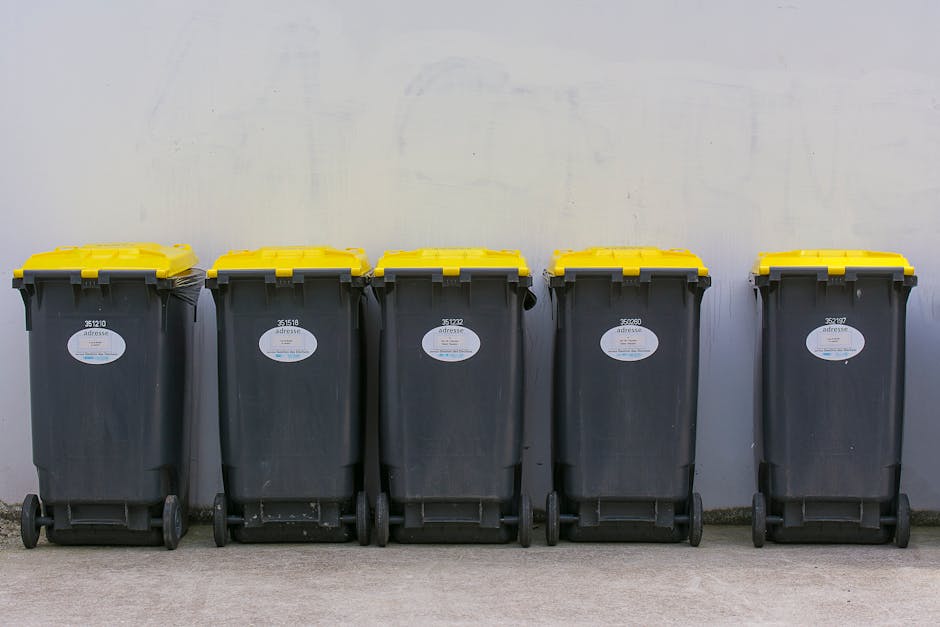
- Leaving waste beside overflowing bins. This is one of the quickest ways to trigger enforcement attention.
- Mixing waste streams. Recycling contamination can ruin otherwise good loads.
- Dumping furniture in communal areas. Even if it seems temporary, it can be treated as abandoned waste.
- Using the wrong contractor or unlicensed remover. If waste is fly-tipped, the original owner can still face questions.
- Ignoring access problems. If a team cannot get to the item, the job may fail or be delayed.
- Assuming "someone else will sort it." In shared buildings, that assumption causes endless friction. Endless.
There is another subtle mistake: underestimating volume. A quick declutter can produce far more waste than the eye suggests. One pile in the hallway often turns into three bags, a lamp, two boxes, and the sort of mystery item nobody can identify. That is normal. Just plan for it.
Tools, Resources and Recommendations
You do not need a complicated toolkit to manage rubbish properly. In most cases, a few simple resources are enough.
- Strong bags and boxes for safe containment.
- Basic labels or tape to separate recycling, reuse, and disposal items.
- Phone reminders for collection days, especially if you live in a flat block.
- A measuring tape if you are checking whether bulky items will fit through doors or stairwells.
- Photos of the waste pile if you are requesting a quote or arranging a collection.
For planning and budgeting, our pricing and quotes page is a sensible place to start. If you want to understand how payment is handled and what to expect, the payment and security page is also worth a look.
If your main concern is choosing a provider that treats handling responsibly, our insurance and safety information and about us page can give you more context about standards and approach.
Law, Compliance, Standards, or Best Practice
Because rubbish disposal touches legal and environmental duties, it is worth being careful and plainspoken here. The exact enforcement route depends on the situation, and council procedures can change over time. So treat this as practical guidance, not legal advice.
In the UK, there is a general expectation that householders and businesses will dispose of waste responsibly, keep public areas clear, and avoid causing nuisance. For businesses, the duty of care principle is especially important: if you hand waste to someone else, you should still be satisfied it is going to be handled properly.
Best practice usually means:
- sorting recyclables from general waste where possible,
- using approved collection routes for bulky or specialist items,
- avoiding obstruction of pavements and communal spaces,
- keeping records for business waste transfers, and
- making sure contractors are suitable for the job.
If you are managing property, retail space, or an office, waste handling should be part of routine site management, not an afterthought. A tidy collection point, clear instructions for tenants or staff, and a sensible plan for larger items can prevent recurring issues. That sounds obvious, but the obvious stuff is often where the savings are.
For businesses and landlords specifically, the practical lesson is simple: build waste control into the way the property runs. A bit of structure goes a long way.
Options, Methods, or Comparison Table
Different disposal methods suit different situations. The table below gives a quick comparison so you can choose the least painful route.
| Method | Best for | Pros | Watch out for |
|---|---|---|---|
| Standard council collection | Routine household waste and recycling | Simple, familiar, often the lowest-friction option | Needs correct presentation and timing |
| Bulky waste pickup | Sofas, mattresses, furniture, awkward items | Suitable for larger objects, less manual hassle | May need booking and access planning |
| Specialist waste removal | Builders' waste, garden waste, office clear-outs | Better matched to specific waste streams | Mixing waste types can complicate the job |
| Reuse, donation, or resale | Usable furniture and household goods | Reduces waste and can help others | Only works if items are genuinely fit for use |
| Private collection service | Time-sensitive, high-volume, or access-challenging jobs | Flexible and often quicker for awkward clearances | Price varies depending on volume and access |
There is no single perfect method. The right choice depends on volume, waste type, access, urgency, and whether the waste can be reused first. If you are near a tight staircase, a basement flat, or a building with limited lift access, that alone can change the best option.
Case Study or Real-World Example
Here is a very ordinary example, which is exactly why it matters.
A tenant in a converted flat in Islington finished a room refresh on a Friday evening. There were a couple of flat-pack boxes, a broken bedside table, mixed packaging, and an old chair. Nothing extreme. The mistake was leaving everything in one pile by the front door and assuming it would be "obvious" to the bin crew on Monday.
By Sunday, rain had soaked the cardboard. The bags had split a little. One neighbour, understandably, was irritated about the hallway being cluttered. The building manager had to step in, and what would have been a tidy disposal task became a mini admin exercise. No disaster, but enough to be annoying.
The fix was straightforward: separate the recycling, bag the remaining waste properly, arrange the bulky item for the correct collection route, and make sure the hallway stayed clear. Simple. Boring. Effective.
That is the general pattern with waste rules in real life. Most problems are not evil genius-level mistakes. They are small oversights made in a rush, usually with one eye on the clock and the other on the kettle.
Practical Checklist
Use this quick checklist before you leave any rubbish out or book a collection.
- Have I identified the waste type correctly?
- Can anything be reused, donated, or sold?
- Have I separated recyclables from general waste?
- Are bags sealed and containers not overfilled?
- Is the waste stored in the correct place for collection?
- Have I checked for access issues such as stairs, gates, parking, or lift problems?
- Do I need a bulky item, garden waste, or builders' waste solution instead of standard disposal?
- Have I avoided leaving anything on the pavement or in shared corridors unnecessarily?
- Do I have confirmation or a record of the arrangement?
- Will my disposal method keep neighbours, the public, and the property safe and tidy?
If you can tick all ten, you are already ahead of many people. Honestly, that's the secret.
Get a free quote today and see how much you can save.
Conclusion
Islington council rubbish disposal rules and fines explained really comes down to common sense with a local borough twist: sort waste properly, present it correctly, avoid blocking shared spaces, and never assume rubbish can just sit there until someone else moves it. The more you plan ahead, the less likely you are to face complaints, delays, or penalties.
Whether you are a resident clearing a flat, a landlord between tenancies, or a business dealing with regular waste, a calm and organised approach saves time. And in a place like Islington, where space is tight and everyone notices the small stuff, that calmness matters.
Do it neatly, do it early, and you will usually avoid the whole drama. Which, let's be honest, is the goal.
 Tipper Van - Rubbish Removal and Waste Collection Prices in Islington, N1
 Luton Van - Rubbish Removal and Waste Collection Prices in Islington, N1


